
Pest Control in Ohio — Fair Quote from Verified Pros
Your Home In Safe Hands: Verified matching platform connecting homeowners with independent licensed pest specialists. ServiceFind does not perform application work directly.
Find certified, independent pest management professionals across Ohio. Tailored treatments for regional climate conditions, structural vulnerabilities, and endemic pests.
Licensed & Insured Pest Control Professionals in Ohio
Pest management applicators in Ohio operate under the strict oversight of the Ohio Department of Agriculture (Pesticide Regulation Section). Contractors must maintain active commercial certification, state compliance records, and general liability insurance.
Pest Control Coverage Across Ohio Cities & Neighborhoods
Popular Neighborhood Area Hubs in Ohio:
Live Pest Pressure Index — Ohio
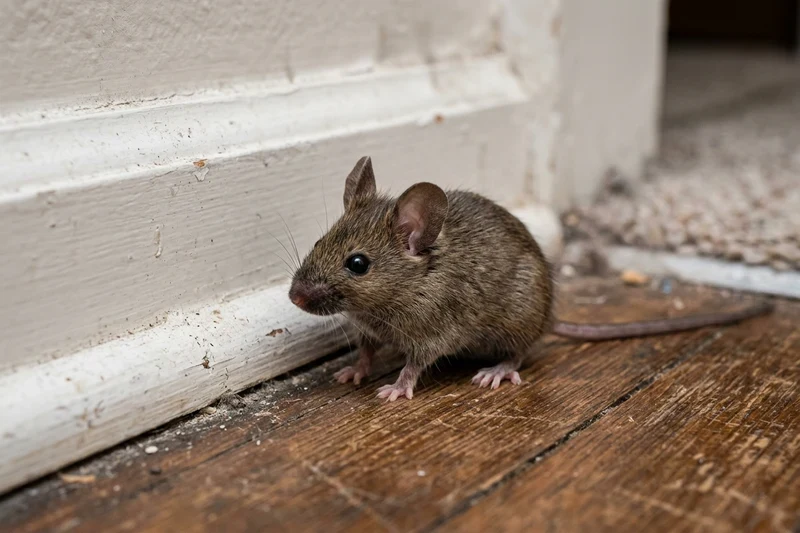
Mice
Mice enter homes through gaps the size of a pencil eraser. They breed rapidly and contaminate food with droppings and urine. Seasonal conditions in Ohio trigger elevated pressure for mice.
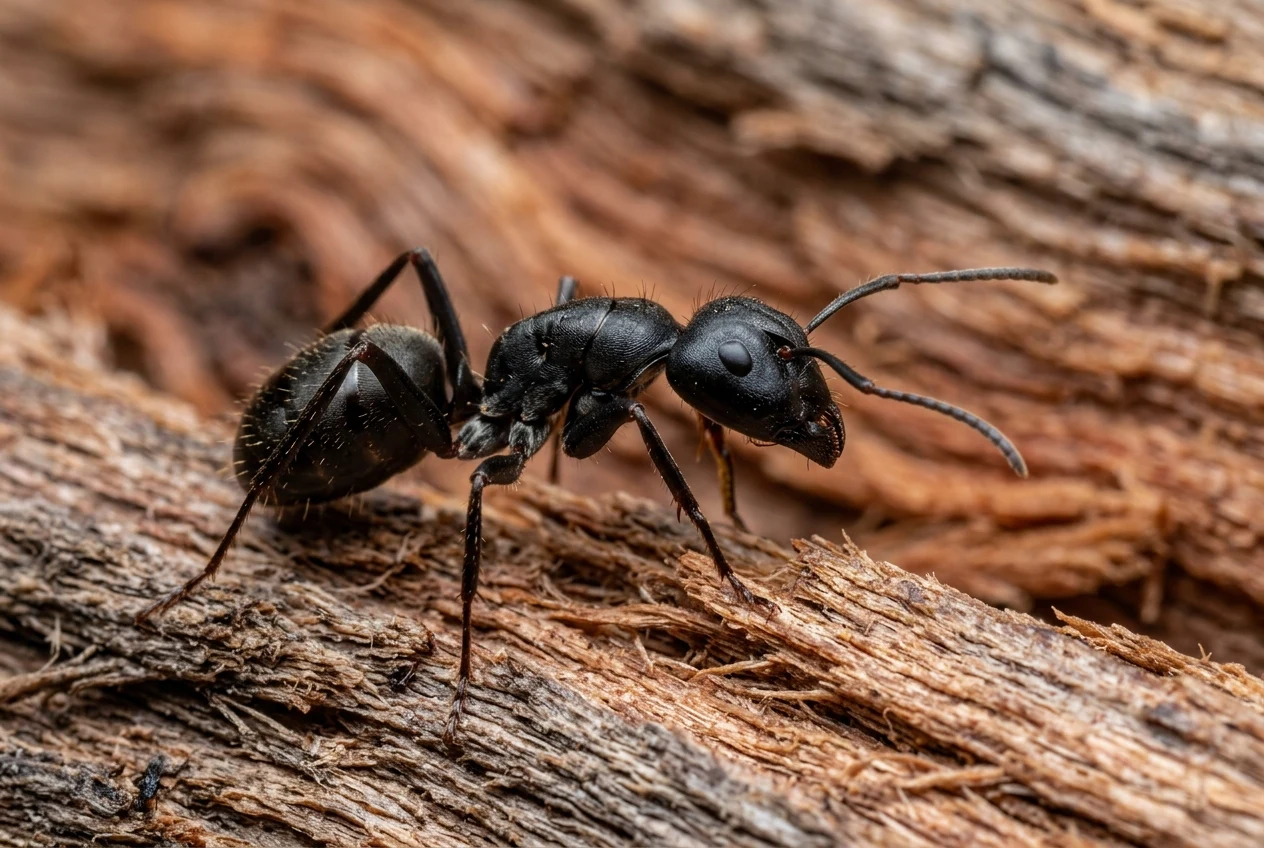
Ants
Ants are social insects that live in colonies and communicate by scent trails. Most ants you see inside are foragers from an outdoor nest. Seasonal conditions in Ohio trigger elevated pressure for ants.
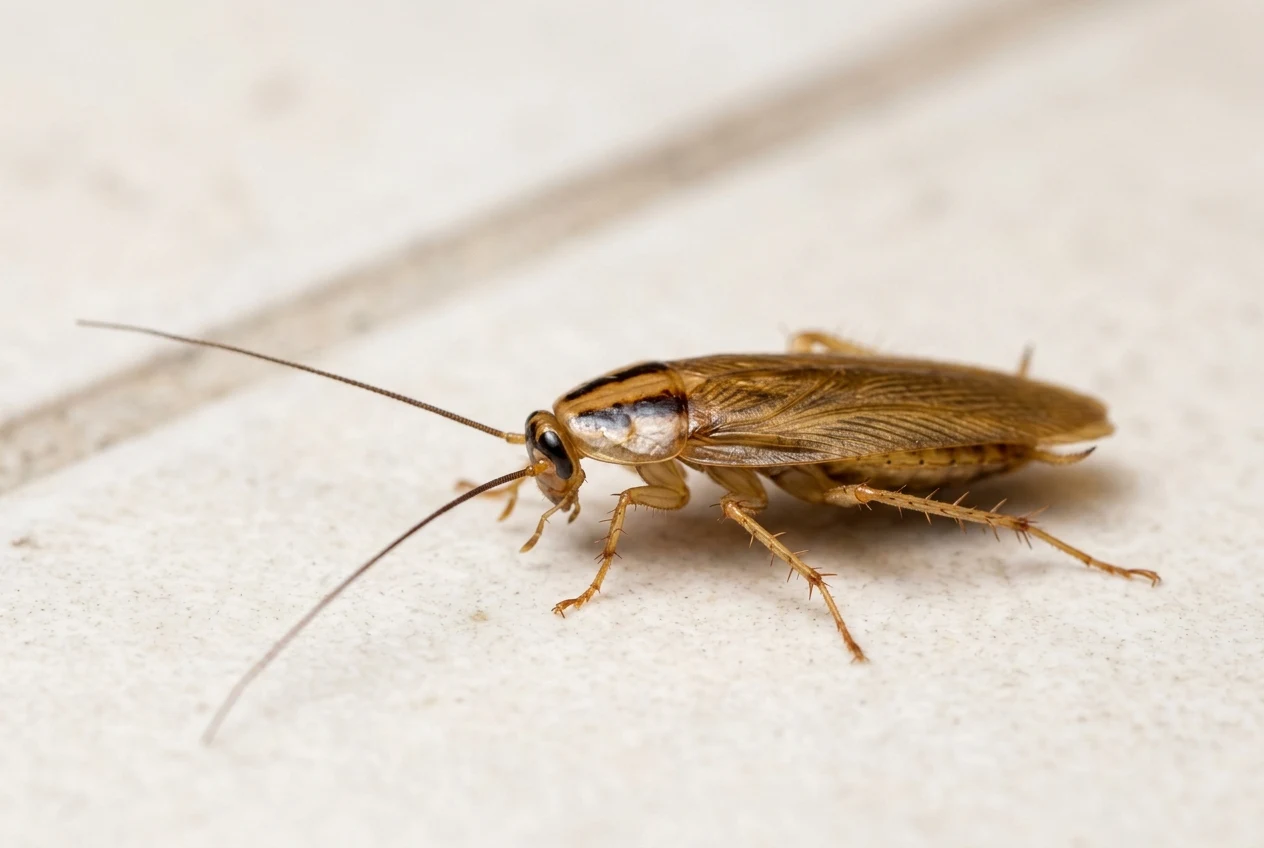
Cockroaches
Cockroaches are fast-breeding scavengers that thrive in warm, damp, food-rich spaces. German roaches live indoors; American and oriental roaches prefer drains and basements. Seasonal conditions in Ohio trigger elevated pressure for cockroaches.
Seasonal Climate & Weather Correlation (Ohio)
Open-Meteo Regional Weather Analysis
Average 7-day high temperatures across Ohio hover around 18°F with variable seasonal rainfall.
Our Pest Control Services in Ohio
Pest Control Services
Comprehensive perimeter defense and internal pest inspection for residential properties.
Learn More →Targeted Pest Removal
Rapid extraction and physical exclusion of active household pest infestations.
Learn More →Licensed Exterminator Services
Professional extermination methods tailored to severe, recurring pest problems.
Learn More →Termite Control & Defense
Subterranean and drywood termite inspection, soil trenching, and barrier defense.
Learn More →Comprehensive Termite Inspection
Real estate and preventative termite inspections with detailed written structural reports.
Learn More →Targeted Termite Treatment
Direct wood treatment, foam injections, and perimeter soil termiticide barriers.
Learn More →Rodent Control & Exclusion
Complete mouse and rat exclusion, steel mesh entry sealing, and attic sanitization.
Learn More →Mouse Removal & Exclusion
Specialized house mouse trapping, gap sealing, and pantry protection.
Learn More →Rat Control & Elimination
Norway rat and roof rat eradication, exterior burrow treatment, and structural proofing.
Learn More →Bed Bug Thermal & Chemical Treatment
Complete eradication of bed bug adults, nymphs, and eggs using steam and targeted heat.
Learn More →Bed Bug Management
Ongoing bed bug prevention, mattress encasement installation, and monitoring.
Learn More →Cockroach Extermination & Gel Baits
German, American, and Oriental cockroach eradication using non-repellent gels and growth regulators.
Learn More →Structural Housing Stock Report — Ohio
Interactive Ohio Service Map
OHOhio Service Area & City Markers
Click a city marker to view local coverage and neighborhood details
Frequently Asked Questions — Ohio Pest Control
20 State FAQs#1. What are the most active pests in Ohio during spring and summer?+
#2. How much does pest control cost in Ohio?+
#3. Are pest control technicians in Ohio licensed and insured?+
#4. What makes eco-friendly pest control effective for Ohio homes?+
#5. How quickly can a verified pro inspect my property in Ohio?+
#6. Why do Cockroach move indoors in Ohio during autumn and winter?+
#7. Can I handle a Mouse infestation in Ohio myself?+
#8. Are pest treatments safe for children and pets in Ohio?+
#9. How often should Ohio homeowners schedule preventative pest maintenance?+
#10. What structural risk factors attract pests to Ohio properties?+
#11. Do severe weather events in Ohio increase pest entry risks?+
#12. What non-chemical prevention steps can Ohio residents take today?+
#13. How do I know if I have active Ant in my Ohio kitchen or basement?+
#14. Are there legal protections for bats and wildlife in Ohio?+
#15. Can home weatherization rebates in Ohio aid in pest control?+
#16. What warranty or service guarantee do Ohio providers offer?+
#17. How do indoor pest allergens affect air quality in Ohio?+
#18. What should I do to prepare my Ohio home before a professional visit?+
#19. How do I check if my city or ZIP code in Ohio is covered?+
#20. Why should I choose a verified local pro over a national corporate chain in Ohio?+
10 Signs You Need Pest Control in Ohio
Ignoring minor pest activity allows colonies to expand exponentially inside inaccessible wall cavities. If you notice one or more of these ten symptoms around your Ohio property, early professional intervention stops structural damage and costly carpentry repairs:
Mud Tubes Along Foundation Walls
Pencil-thick earthen tunnels on exterior foundation stem walls, crawlspace piers, or floor joists indicate subterranean termites searching for cellulose wood.
Wood Shavings & Frass Accumulation
Piles of microscopic sawdust-like frass containing insect fragments near baseboards, window casings, or subfloors reveal active carpenter ant or drywood termite excavations.
Nocturnal Scurrying & Ceiling Scratching
Light scratching, squeaking, or scampering inside drywalls, attic insulation, or drop ceilings between 10 PM and 4 AM is a definitive hallmark of mice, roof rats, or squirrels.
Unexplained Morning Bite Clusters
Waking up with itchy, linear red welts ('breakfast, lunch, and dinner' patterns) accompanied by minute rust-colored blood specks on bed sheets points to bed bug harborage.
Dark Pepper Droppings & Smear Rubs
Granular dark droppings resembling coarse black pepper behind stove backs, under kitchen sinks, or along pantry shelving confirm cockroach or rodent runways.
Discarded Insect Swarmer Wings
Uniformly sized discarded insect wings accumulated on sunny window sills or patio doors indicate a recent indoor termite reproductive swarm flight.
Persistent Pungent or Oily Odors
A heavy, sweet, oily, or musty odor inside basements, crawlspaces, or cabinetry signals an established, dense aggregation of cockroaches or nesting rodents.
Gnawed Wiring & Chewed Conduit
Teeth marks along electrical Romex cables, plastic PEX piping, or door sweep edges represent continuous rodent gnawing behavior to file incisor teeth down.
Unexplained Domestic Pet Agitation
Dogs or cats intently pacing, whining, or fixating their attention on a specific baseboard section or floor cavity often detect high-frequency pest movements before humans can.
Visible Daytime Pest Sightings
Seeing nocturnal pests (like German roaches or mice) crawling across kitchen counters in broad daylight is a biological indicator that nesting voids are dangerously overcrowded.
Common Causes of Pest Infestations in Ohio
Pests do not enter homes randomly. Structural vulnerability, subsoil moisture dynamics, and local building vintage in Ohio create environmental attractants that draw invasive colonies indoors. Certified exterminators address these underlying root causes:
Foundation Slab Settling & Masonry Hairline Cracks
Subterranean termites require an opening of only 1/64-inch (0.4 mm) to penetrate building envelopes. Micro-fissures in foundation slabs, mortar joints, and expansion gaps provide direct subsoil-to-stud pathways.
Faulty Gutters & Subsoil Moisture Plumes
Clogged eaves or downspouts spilling water against foundation walls saturate exterior soil profiles. This persistent dampness creates optimal subterranean moisture gradients essential for wood-destroying insect survival.
Direct Wood-to-Soil Ground Contact
Exterior siding, wooden deck posts, lattice skirts, or garden mulch installed in direct contact with soil eliminates natural barriers, granting insects undetected entry behind structural exterior wall sheathing.
Unsealed Roofline Eaves, Gable Vents & Soffit Gaps
Older fascia board warping, unscreened attic vents, or loose soffit panels offer thermal stack-effect entryways. Roof rats and bats exploit gaps exceeding 1/4-inch to establish insulated nesting colonies in attics.
Unsealed Utility Conduits & Pipe Penetrations
AC line sets, exterior gas pipes, and plumbing drain penetrations drilled through exterior walls without copper mesh or silicone sealant act as immediate superhighways into kitchen and bathroom wall voids.
Overhanging Foliage & Foundation Vegetation
Tree canopies extending over rooflines and heavy ivy growing up exterior brick allow crawling insects and rodents to bypass exterior chemical perimeter barriers entirely, entering via high-elevation vents.
DIY vs. Professional – When to Call a Pro in Ohio
While simple non-chemical prevention steps can be managed by homeowners, tackling structural or reproductive pest infestations with store-bought chemicals frequently backfires—triggering defensive colony budding and dangerous indoor aerosol contamination. Use this objective standard to decide:
When DIY Self-Treatment is Appropriate
Best suited for low-risk, cosmetic, or isolated exterior nuisance pests that do not threaten structural framing, indoor health, or electrical wiring.
- Minor Exterior Nuisance Ants: Placing non-toxic borax bait stations along outdoor patios or garage thresholds.
- Non-Venomous House Spiders: Vacuuming cobwebs and egg sacs from garage corners and basement ceiling joists.
- Standing Water Sanitation: Emptying stagnant plant saucers, birdbaths, and pet dishes weekly to disrupt mosquito larvae.
- Passive Monitoring Traps: Setting non-chemical glue boards behind laundry appliances to survey seasonal crawling insect activity.
When Professional Intervention is Mandatory
Mandatory for structural, reproductive, or biohazard infestations that multiply exponentially or present health and fire safety liabilities in Ohio.
- Termite Activity & Mud Tubes: Requires non-repellent transfer chemistry or Sentricon baiting to eliminate subsoil queens before sill plates fail.
- Bed Bug Infestations: OTC sprays cannot penetrate mattress seams or kill microscopic eggs; requires 122°F structural thermal remediation.
- Rodents in Attics or Crawlspaces: Mice and rats transmit Hantavirus and chew electrical wiring; requires 1/4" steel exclusion & virucidal fogging.
- German Cockroaches: Aerosols trigger colony budding (splitting one nest into three); requires multi-stage Insect Growth Regulators (IGR).
- Wildlife & Bats in Soffits: State and federal conservation laws protect bats and wildlife; requires licensed one-way exclusion valves.
| Evaluation Criteria | DIY Self-Attempt | Verified Professional IPM |
|---|---|---|
| Diagnostic Precision | Visual surface inspection only; misses wall voids. | Thermal imaging, moisture meters & acoustic sensors. |
| Formulation Efficacy | Weak over-the-counter sprays; high chemical repellency. | Micro-encapsulated non-repellents & hormonal IGRs. |
| Long-Term Prevention | Temporary knockdown; pests return in 14–21 days. | Permanent structural exclusion (galvanized mesh & sealing). |
| Household Safety Standard | Exposed powders and indoor aerosols risk child/pet exposure. | Tamper-resistant locked stations & certified re-entry windows. |
| Cost & Accountability | Hidden repeat store runs; zero warranty or recourse. | Upfront written Fair Quote with scheduled follow-up re-treatment. |
Popular Nearby Areas We Serve Near Ohio
ServiceFind connects homeowners across Ohio and neighboring communities with local independent pest exterminators. Explore regional coverage zones:
Pest Brain AI Assistant (Ohio)
Describe your pest concern for preliminary identification guidance.
This is an automated preliminary suggestion only. Always consult a licensed pest control professional. Our AI does not provide medical or pesticide advice.
Need Same-Day Pest Control in Ohio?
Same-day and 24/7 emergency services are subject to provider participation, location, technician availability, and demand. Availability is not guaranteed and may vary by market and appointment capacity.
Ready for honest, eco-friendly help?
Free to use. We match you with independent, licensed, eco-friendly local providers — no pressure, no obligation.
Free to use · No obligation