
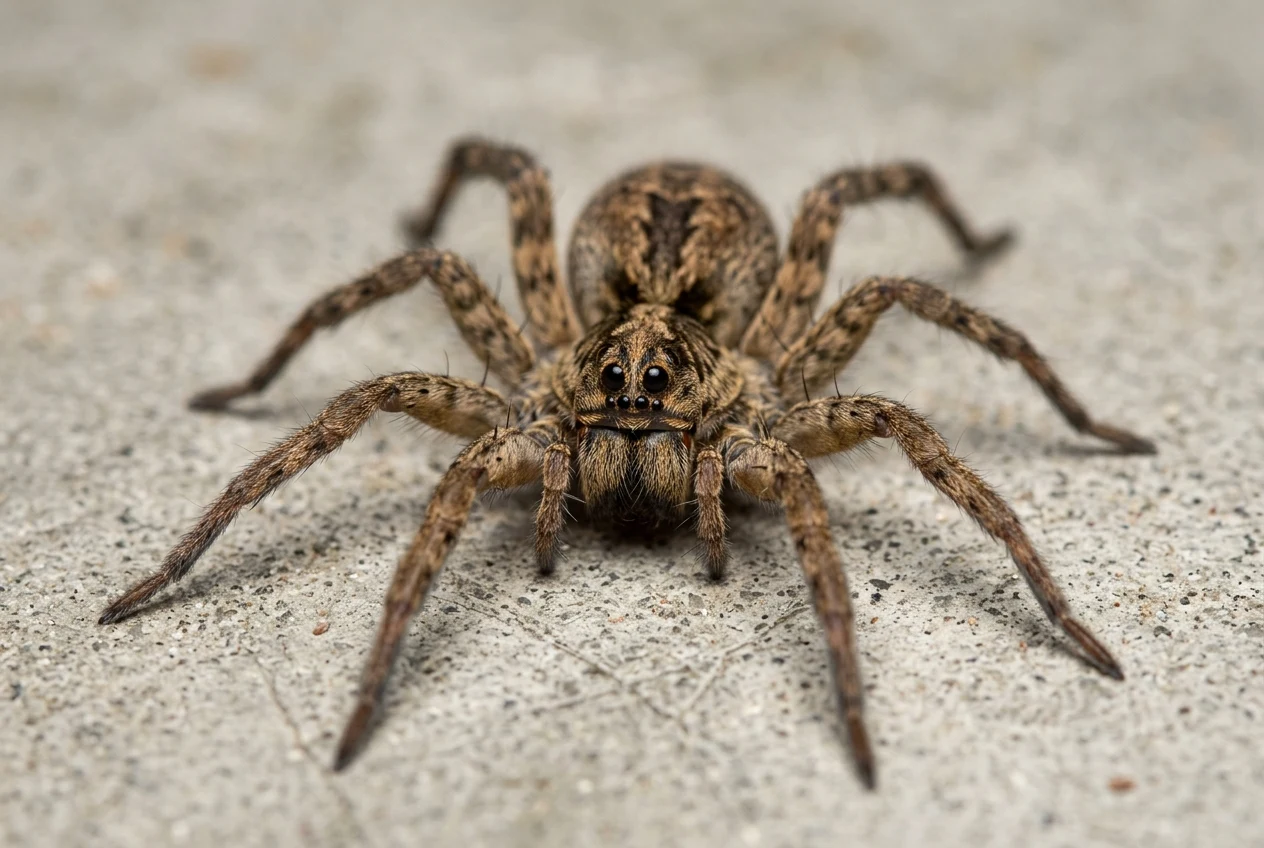
Spiders Control & Extermination Services
Your Home In Safe Hands: Verified matching platform connecting homeowners with independent licensed pest specialists. ServiceFind does not perform application work directly.
Reaching into a dark closet, garage shelf, or under a bed only to brush against a dense spider web triggers visceral fear. Venomous species like Black Widows and Brown Recluses present serious medical risks, especially to curious children and household pets.
How to Eliminate Spiders Safely & Permanently
Professional spider control combines physical web and egg sac removal sweeps up to 20 feet, precision crack-and-crevice residual treatments, and underlying insect prey elimination. Technicians identify dangerous species, treat harborage voids, and establish perimeter defense. Service costs average $125 to $550 with multi-month warranty protection.
Why Professional Spiders Defense Works
Fear-Free Living Spaces
Reach into storage closets, basements, and cabinets with confidence, knowing venomous spiders are banished.
Protect Children & Pets
Prevent accidental encounters with dangerous Brown Recluses and Black Widows lurking near floorboards.
Pest Chain Disruption
Eliminating the small flying insects spiders feed on keeps your home clean of all pest activity.
⚠️ Common Signs of Spiders
- •Messy, irregular tangled cobwebs in corners, ceiling junctions, and basements
- •Silken white marble-sized egg sacs suspended in webs or tucked behind stored boxes
- •Spiders spotted scurrying across floors when lights are switched on at night
- •Shed exoskeleton molts discovered along garage thresholds and crawlspaces
🚨 Health & Property Risks
- •Necrotic skin lesions and systemic illness from Brown Recluse bites
- •Severe muscle cramping, tremors, and hypertension from Black Widow neurotoxin
- •Secondary bacterial infections from scratched puncture wounds
Certified Treatment & Exclusion Methods
Explore Related Pests
Professional Pest Control Video Guides
Visual walkthroughs of certified inspection methods, biological treatments, and structural exclusion.
How to Identify Black Widows and Brown Recluses
Key visual markings and web structures of North America’s venomous spiders.
Why Spiders Are So Hard to Spray
Why walking on tiptoes protects spiders from ordinary floor sprays.
The De-Webbing Process Tour
How professional exterior web removal eliminates future spider generations.
Compare Top Pest Control Providers
Independent benchmark comparison of certified national and regional pest control operators.
| Provider | Average Cost | Warranty Scope | Customer Rating | Coverage Areas | Action |
|---|---|---|---|---|---|
Terminix 14,200 verified reviews | $450 avg | ✓ 12 Months Re-Service | ★4.8 / 5.0 | Nationwide, 50 States | Get Fair Quote → |
Orkin 18,500 verified reviews | $495 avg | ✓ 12 Months Re-Service | ★4.7 / 5.0 | Nationwide, 48 States | Get Fair Quote → |
Rentokil 9,800 verified reviews | $480 avg | ✓ 12 Months Re-Service | ★4.6 / 5.0 | Nationwide, 46 States | Get Fair Quote → |
Truly Nolen 6,400 verified reviews | $430 avg | ✓ 12 Months Re-Service | ★4.7 / 5.0 | Regional, Sunbelt States | Get Fair Quote → |
Aptive Environmental 11,200 verified reviews | $420 avg | ✓ 12 Months Re-Service | ★4.5 / 5.0 | 35+ States, Eco-Conscious Focus | Get Fair Quote → |
Frequently Asked Questions
Everything you need to know about professional pest control, licensing, pricing, and treatment safety.
Ready for honest, eco-friendly help?
Free to use. We match you with independent, licensed, eco-friendly local providers — no pressure, no obligation.
Free to use · No obligation