
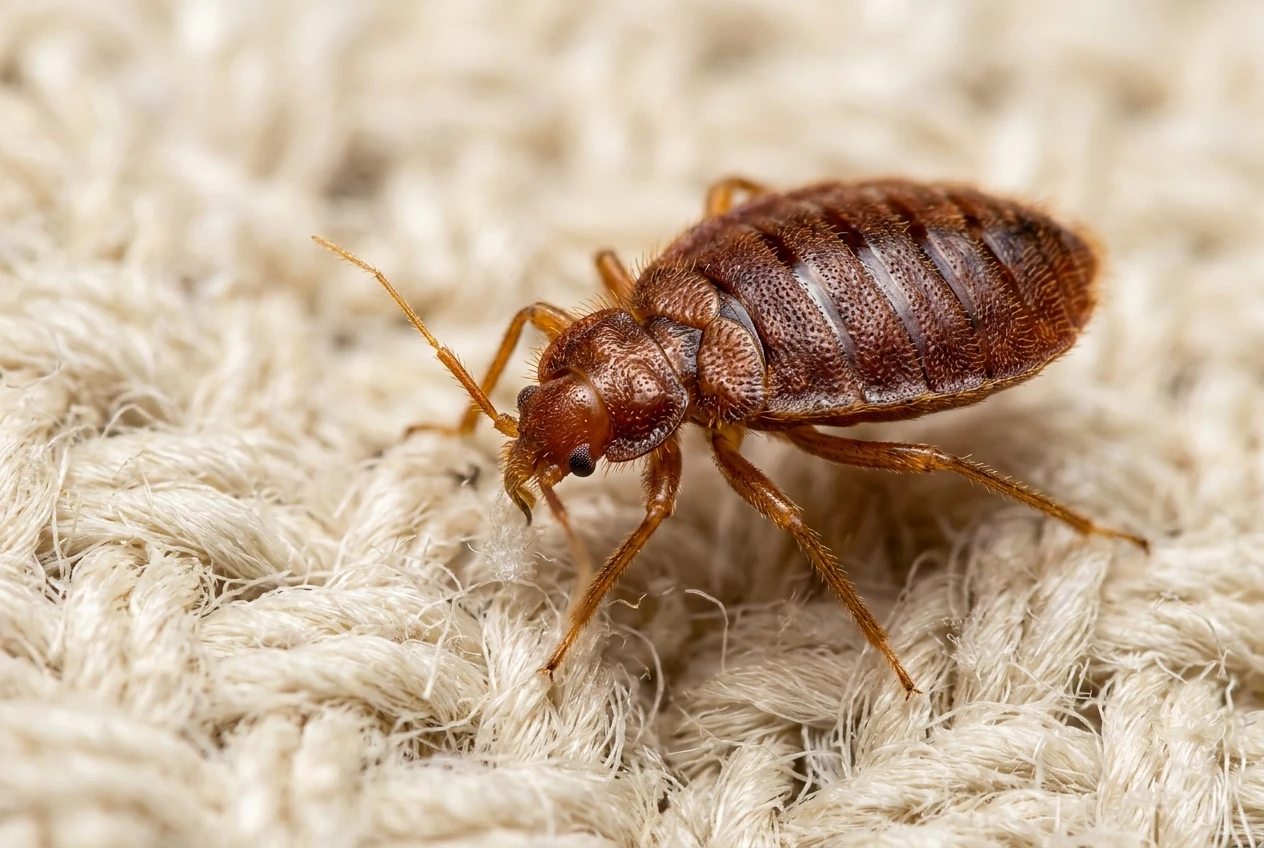
Bed Bugs Control & Extermination Services
Your Home In Safe Hands: Verified matching platform connecting homeowners with independent licensed pest specialists. ServiceFind does not perform application work directly.
Waking up with clusters of intensely itchy red welts and discovering blood spots on your bedsheets is traumatic. Bed bugs disrupt sleep, cause overwhelming psychological anxiety, and spread rapidly between bedrooms.
How to Eliminate Bed Bugs Safely & Permanently
Professional bed bug extermination delivers whole-home thermal heat remediation (125°F+ lethal threshold), precision residual applications, and mattress encasements. Experienced technicians eradicate all life stages—including eggs—in a single treatment day. Services range from $300 to $1,500 backed by 30 to 90-day guarantees.
Why Professional Bed Bugs Defense Works
Restful, Itch-Free Sleep
Reclaim your bedroom and sleep deeply without the terror of nocturnal biting parasites.
Single-Day Total Elimination
Advanced thermal heat remediation penetrates walls and furniture to kill all eggs in one visit.
Non-Toxic Peace of Mind
Safe thermal and green treatment protocols leave zero harmful chemical residues on your mattress.
⚠️ Common Signs of Bed Bugs
- •Itchy red bite clusters or zigzag lines on exposed arms, neck, and shoulders
- •Rusty or dark reddish-brown blood smears on bedsheets, pillowcases, and mattresses
- •Dark pinhead-sized fecal spots along mattress piping, headboards, and baseboard seams
- •Pale translucent shed skin molts and tiny pearly-white eggs nestled in fabric folds
🚨 Health & Property Risks
- •Severe chronic sleep deprivation, anxiety, and psychological distress
- •Secondary bacterial skin infections (impetigo, cellulitis) from intense scratching
- •Rapid cross-contamination to adjoining rooms, vehicles, and friends’ homes
Certified Treatment & Exclusion Methods
Explore Related Pests

Professional Pest Control Video Guides
Visual walkthroughs of certified inspection methods, biological treatments, and structural exclusion.
How Bed Bug Heat Treatment Works
Watch industrial heaters eradicate bed bugs and eggs inside walls and mattresses.
How to Inspect Hotel Beds While Traveling
Simple 3-minute checklist to prevent bringing bed bugs home from vacations.
Chemical vs Thermal Bed Bug Extermination
Comparing multi-visit chemical sprays against single-day heat remediation.
Compare Top Pest Control Providers
Independent benchmark comparison of certified national and regional pest control operators.
| Provider | Average Cost | Warranty Scope | Customer Rating | Coverage Areas | Action |
|---|---|---|---|---|---|
Terminix 14,200 verified reviews | $450 avg | ✓ 12 Months Re-Service | ★4.8 / 5.0 | Nationwide, 50 States | Get Fair Quote → |
Orkin 18,500 verified reviews | $495 avg | ✓ 12 Months Re-Service | ★4.7 / 5.0 | Nationwide, 48 States | Get Fair Quote → |
Rentokil 9,800 verified reviews | $480 avg | ✓ 12 Months Re-Service | ★4.6 / 5.0 | Nationwide, 46 States | Get Fair Quote → |
Truly Nolen 6,400 verified reviews | $430 avg | ✓ 12 Months Re-Service | ★4.7 / 5.0 | Regional, Sunbelt States | Get Fair Quote → |
Aptive Environmental 11,200 verified reviews | $420 avg | ✓ 12 Months Re-Service | ★4.5 / 5.0 | 35+ States, Eco-Conscious Focus | Get Fair Quote → |
Frequently Asked Questions
Everything you need to know about professional pest control, licensing, pricing, and treatment safety.
Ready for honest, eco-friendly help?
Free to use. We match you with independent, licensed, eco-friendly local providers — no pressure, no obligation.
Free to use · No obligation