
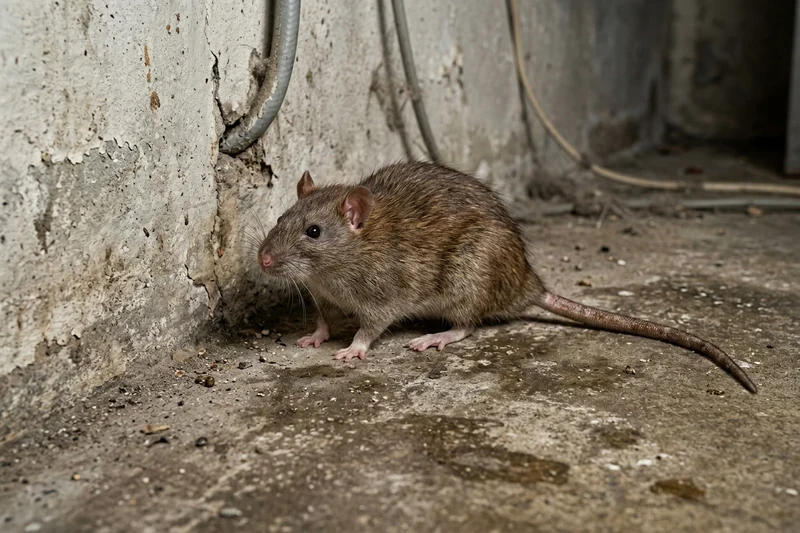
Rats Control & Extermination Services
Your Home In Safe Hands: Verified matching platform connecting homeowners with independent licensed pest specialists. ServiceFind does not perform application work directly.
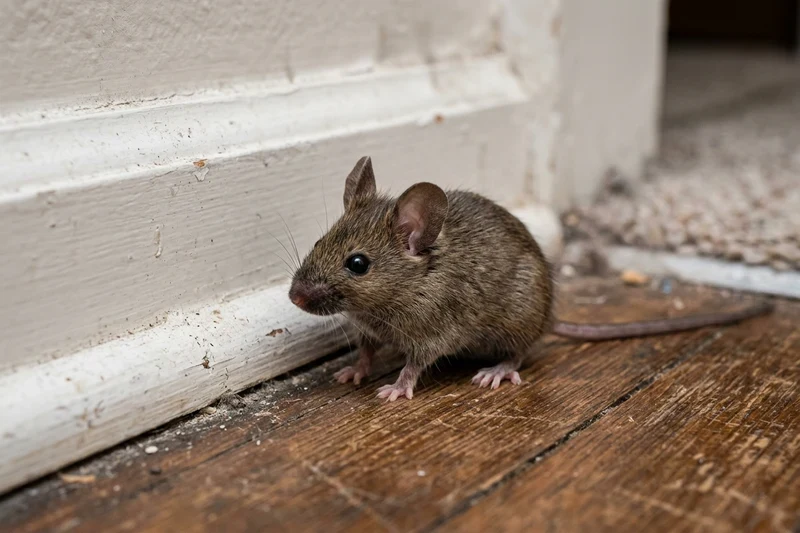
Discovering rats in your home or garage is horrifying. Rats chew through heavy PVC pipes causing water leaks, destroy expensive wiring, and leave massive droppings that carry serious diseases like Leptospirosis.
How to Eliminate Rats Safely & Permanently
Professional rat control delivers heavy-gauge architectural exclusion, heavy-duty mechanical trapping, and perimeter burrow remediation. Certified technicians eliminate Norway and roof rats while preventing structural property damage. Service costs average $250 to $1,000 with 12-month exclusion warranties.
Why Professional Rats Defense Works
Protected Plumbing & Wiring
Prevent catastrophic attic electrical fires and burst water pipes caused by gnawing rats.
Disease-Free Living Environment
Shield your family and pets from dangerous bacterial pathogens carried on rat fur and feet.
Fortified Home Perimeter
Permanent steel and masonry exclusion prevents intelligent rats from ever breaching your home again.
⚠️ Common Signs of Rats
- •Large capsule-shaped dark droppings (1/2 to 3/4 inch long) in attics or garages
- •Dark, greasy smear marks along baseboards, roof rafters, and pipe runs
- •Heavy gnaw marks on wood framing, plastic water pipes, and storage containers
- •Burrow holes (2-3 inches wide) dug along foundation edges and beneath slabs
🚨 Health & Property Risks
- •Transmission of Leptospirosis, Rat-Bite Fever, and Murine Typhus
- •Severe structural flooding from gnawed PEX and PVC water plumbing lines
- •Attic electrical wiring fire hazards from continuous incisor gnawing
Certified Treatment & Exclusion Methods
Explore Related Pests
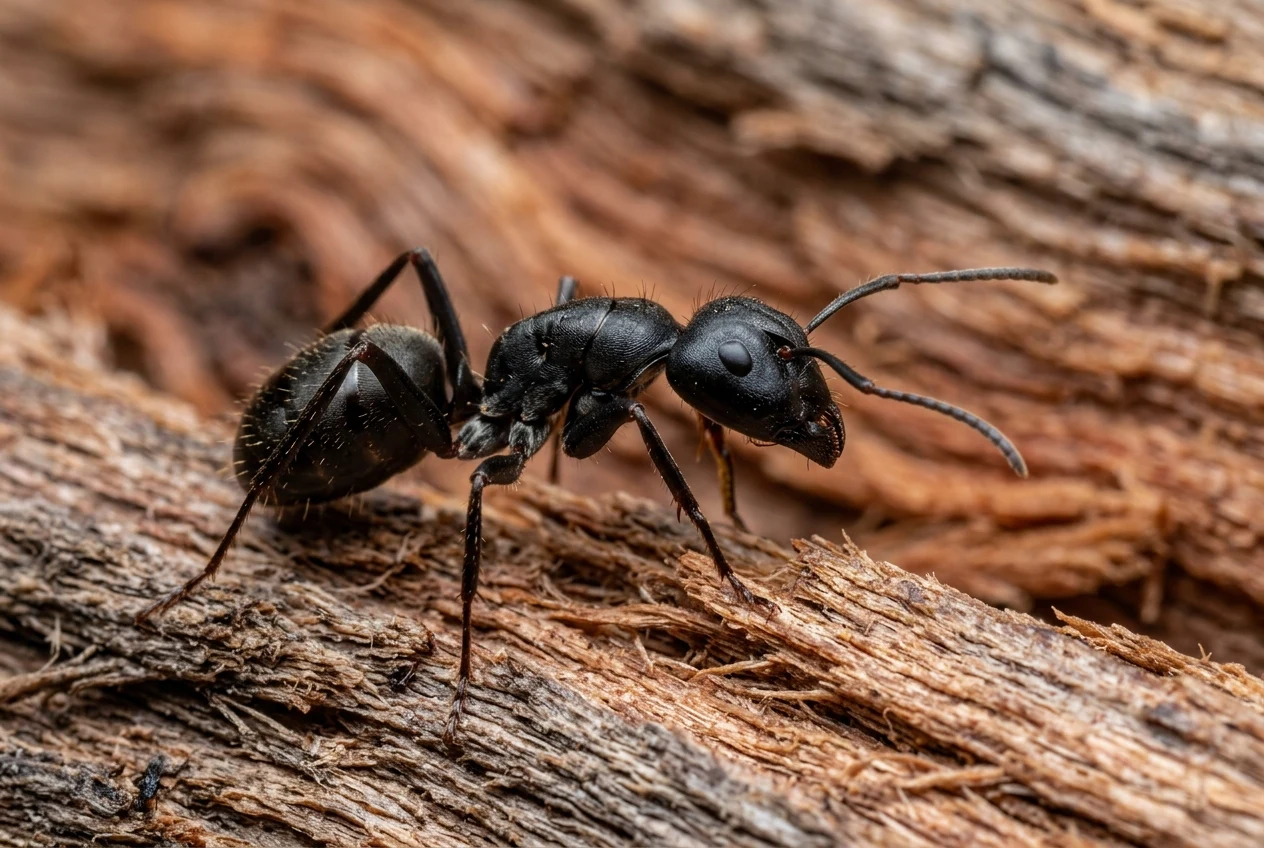
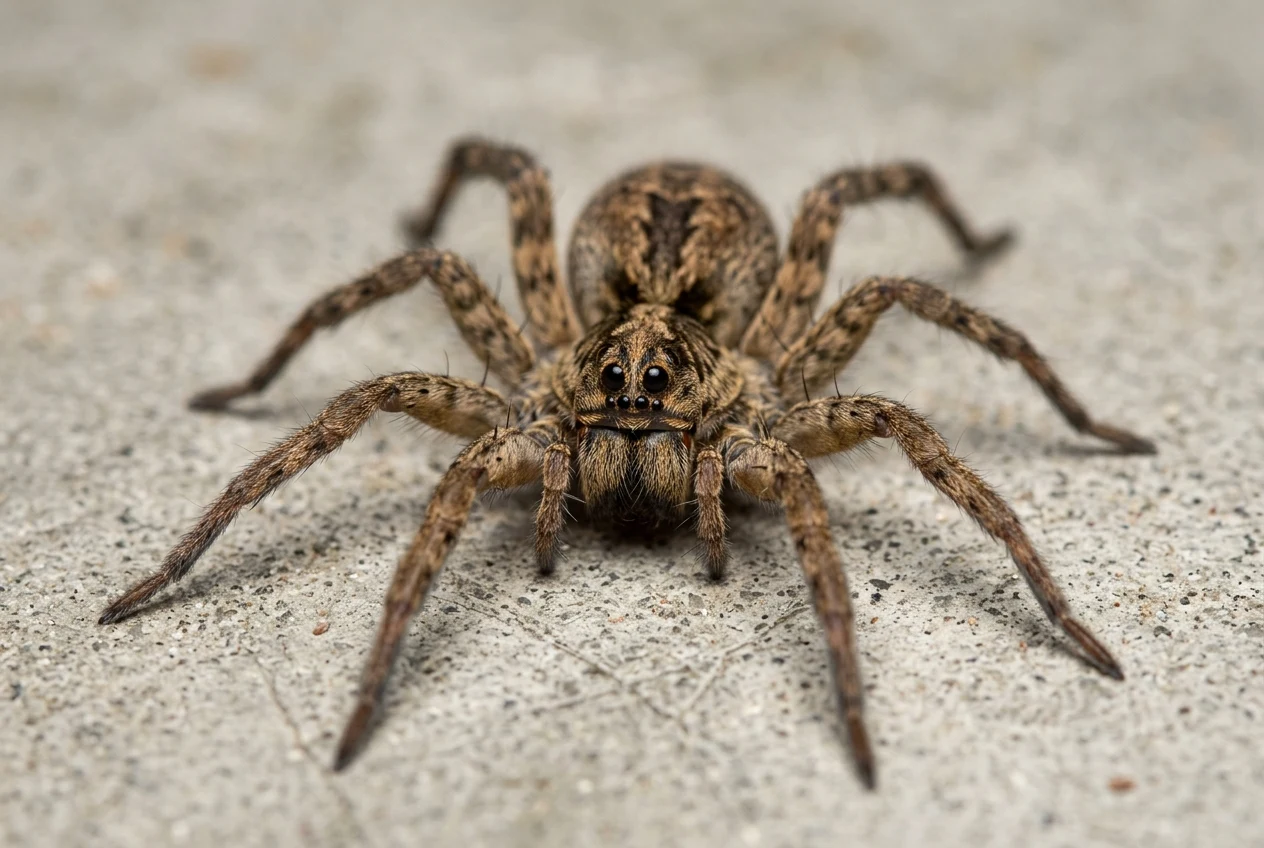
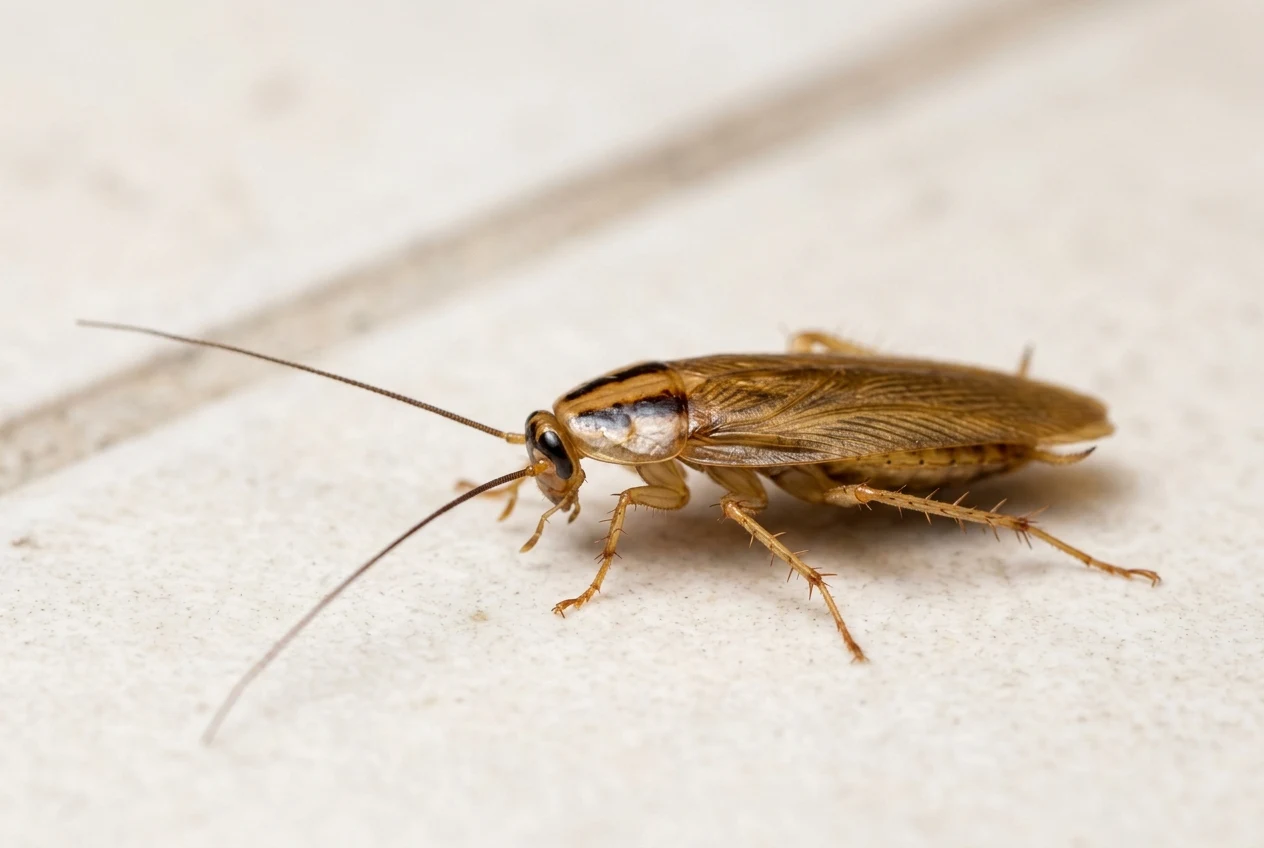
Professional Pest Control Video Guides
Visual walkthroughs of certified inspection methods, biological treatments, and structural exclusion.
Norway Rats vs Roof Rats: Key Differences
Understanding burrowing ground rats versus agile roof-climbing rats.
Why Rats Are Suspicious of New Traps (Neophobia)
How technicians overcome rat neophobia using pre-baiting techniques.
Heavy-Duty Rat Exclusion on Rooflines
Watch technicians install metal flashing on vulnerable roof dormers.
Compare Top Pest Control Providers
Independent benchmark comparison of certified national and regional pest control operators.
| Provider | Average Cost | Warranty Scope | Customer Rating | Coverage Areas | Action |
|---|---|---|---|---|---|
Terminix 14,200 verified reviews | $450 avg | ✓ 12 Months Re-Service | ★4.8 / 5.0 | Nationwide, 50 States | Get Fair Quote → |
Orkin 18,500 verified reviews | $495 avg | ✓ 12 Months Re-Service | ★4.7 / 5.0 | Nationwide, 48 States | Get Fair Quote → |
Rentokil 9,800 verified reviews | $480 avg | ✓ 12 Months Re-Service | ★4.6 / 5.0 | Nationwide, 46 States | Get Fair Quote → |
Truly Nolen 6,400 verified reviews | $430 avg | ✓ 12 Months Re-Service | ★4.7 / 5.0 | Regional, Sunbelt States | Get Fair Quote → |
Aptive Environmental 11,200 verified reviews | $420 avg | ✓ 12 Months Re-Service | ★4.5 / 5.0 | 35+ States, Eco-Conscious Focus | Get Fair Quote → |
Frequently Asked Questions
Everything you need to know about professional pest control, licensing, pricing, and treatment safety.
Ready for honest, eco-friendly help?
Free to use. We match you with independent, licensed, eco-friendly local providers — no pressure, no obligation.
Free to use · No obligation