
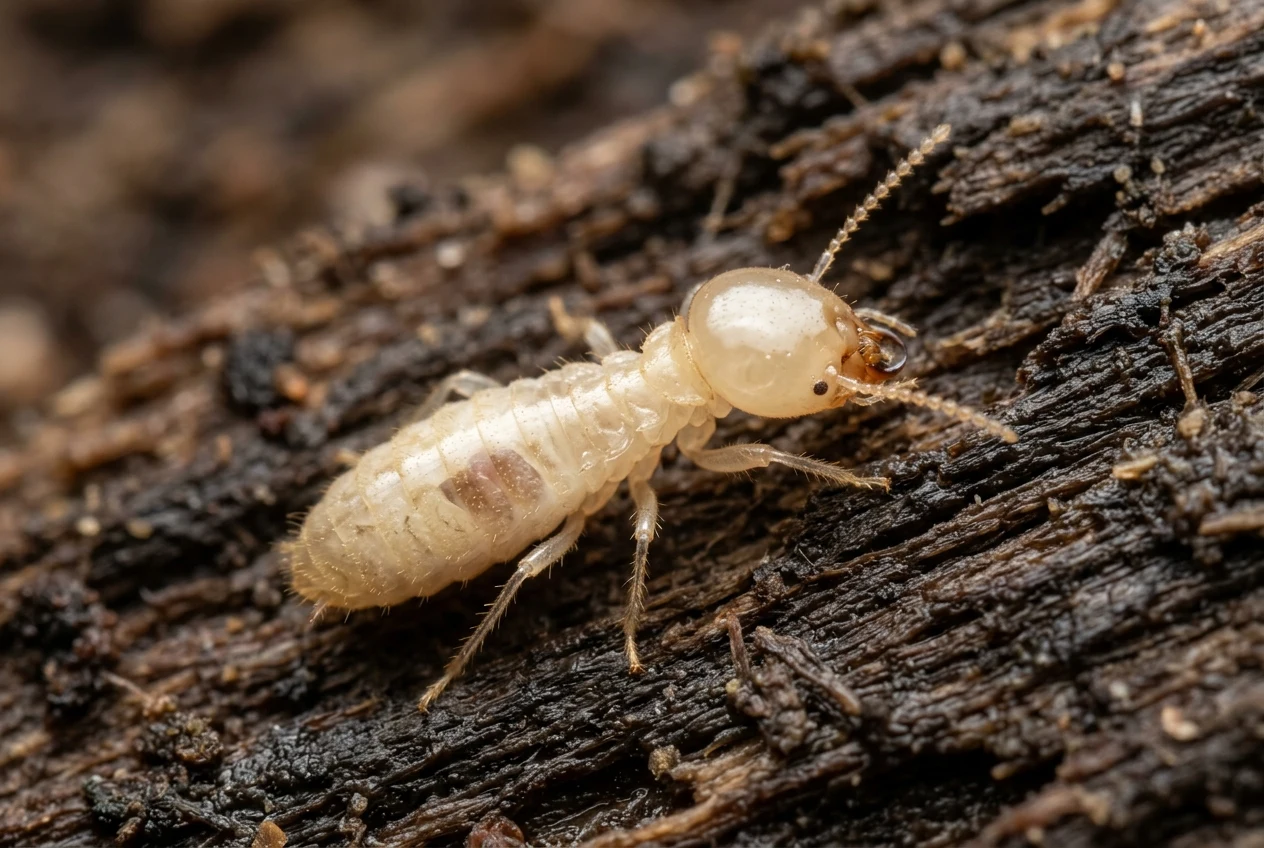
Termites Control & Extermination Services
Your Home In Safe Hands: Verified matching platform connecting homeowners with independent licensed pest specialists. ServiceFind does not perform application work directly.
Termites cause over $5 billion in property damage every year across the United States, chewing quietly through foundation sill plates and ceiling joists. Homeowner insurance policies exclude termite damage, leaving owners with catastrophic repair costs.
How to Eliminate Termites Safely & Permanently
Professional termite control provides certified WDO inspections, non-repellent liquid soil barriers, and Sentricon colony elimination baiting systems. Technicians target subterranean, drywood, and Formosan termites to eradicate the reproductive queen and protect structural wood. Complete treatments average $500 to $2,500 backed by multi-year renewable warranty bonds.
Why Professional Termites Defense Works
Preserved Life Savings & Equity
Protect your single largest financial investment from devastating structural wood frame destruction.
Total Subterranean Colony Collapse
Non-repellent transfer chemistry is carried deep underground to eradicate the egg-laying queen.
Transferable Warranty Protection
Boost property value with an official termite warranty bond that transfers seamlessly to home buyers.
⚠️ Common Signs of Termites
- •Mud shelter tubes running vertically up concrete foundation walls or crawlspace piers
- •Discarded insect wings clustered on window sills, door frames, or spider webs in spring
- •Wood that sounds dull or hollow when tapped with the handle of a screwdriver
- •Tiny pinholes in drywall and blistered, bubbled paint resembling moisture damage
🚨 Health & Property Risks
- •Catastrophic structural frame failure requiring tens of thousands in repairs
- •Zero coverage under standard homeowners insurance policies
- •Severe depreciation of property resale value and failed mortgage inspections
Certified Treatment & Exclusion Methods
Explore Related Pests
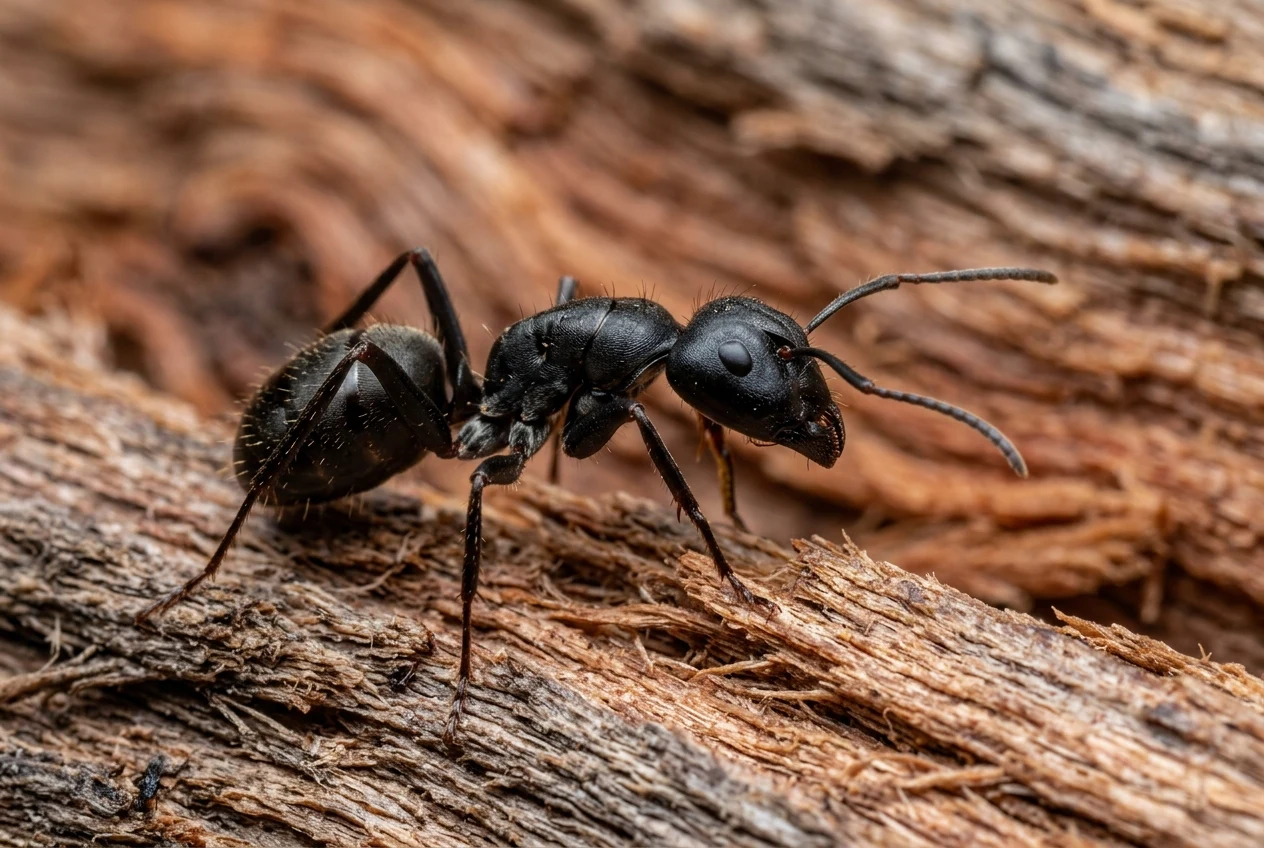
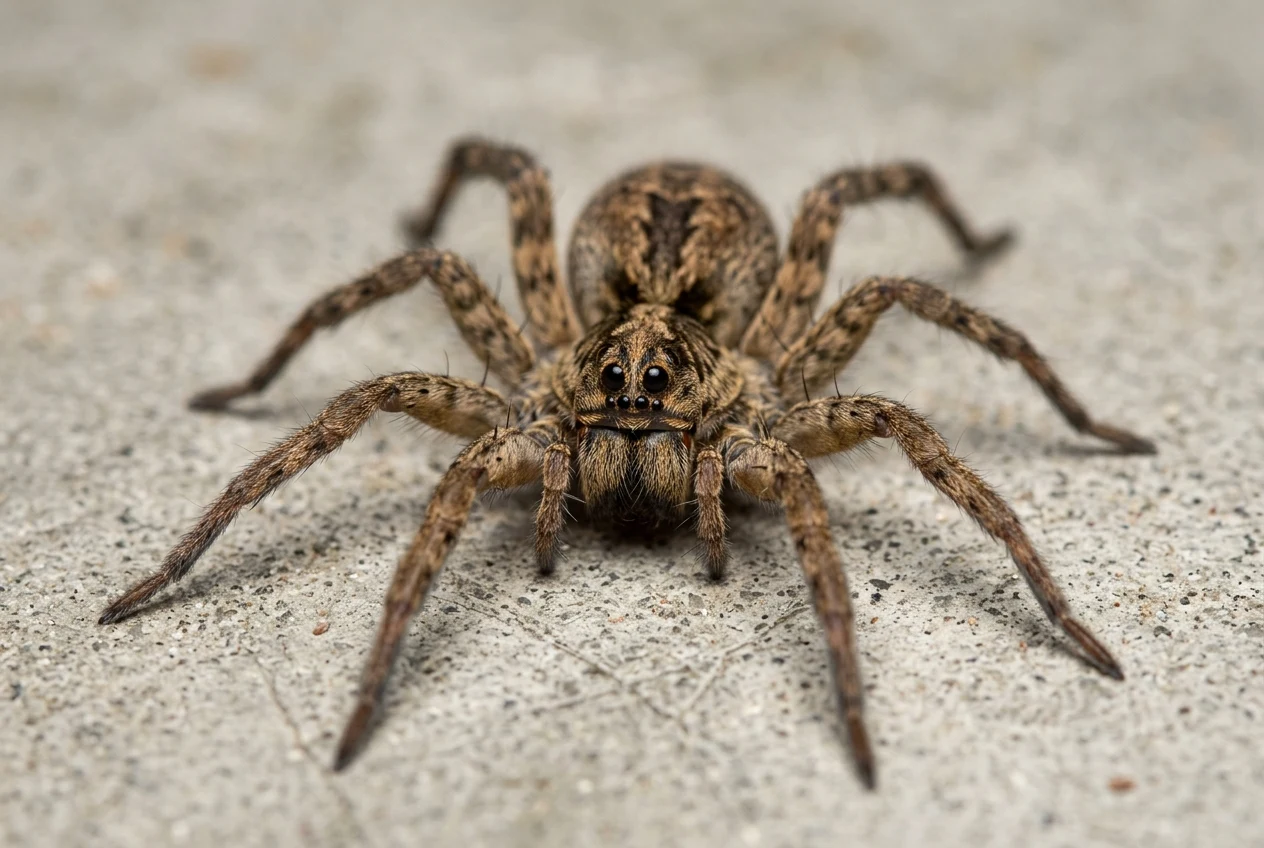
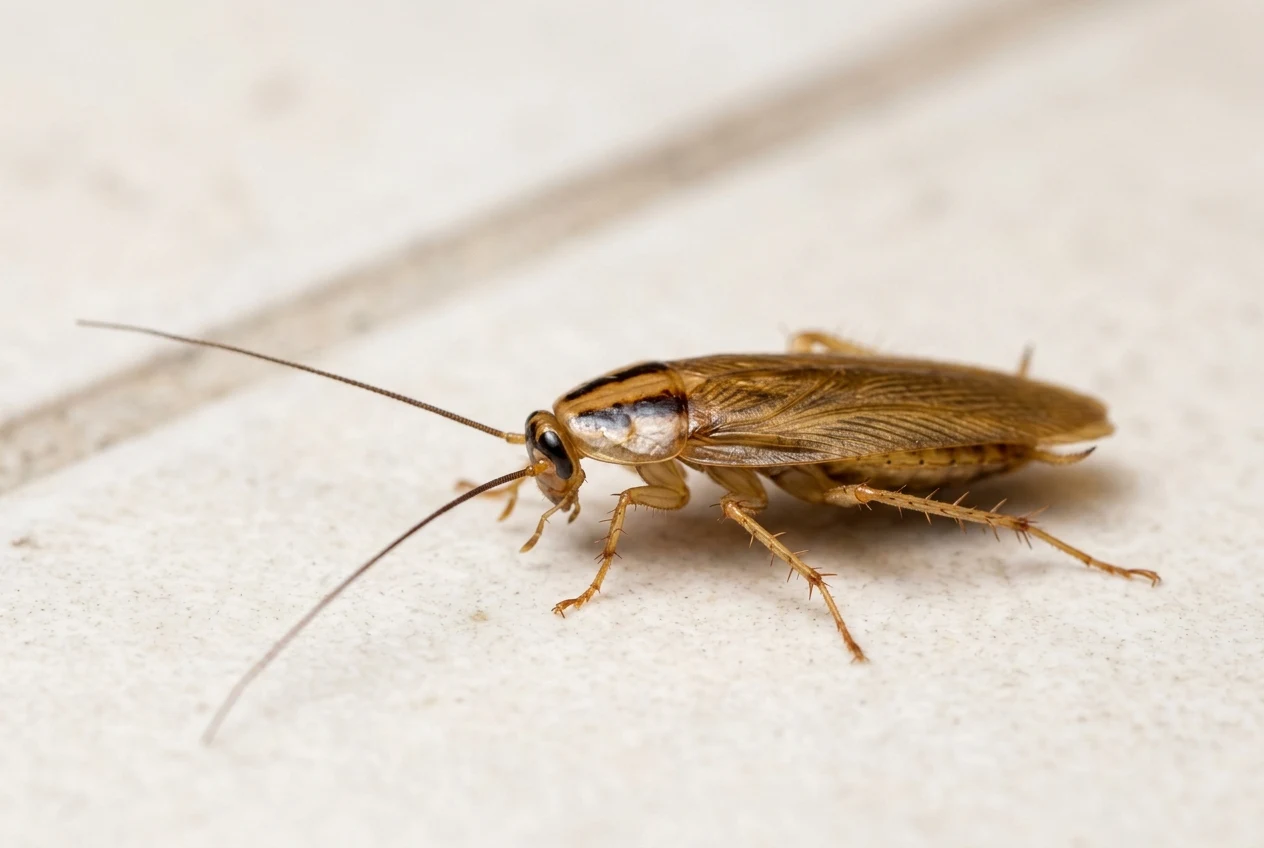
Professional Pest Control Video Guides
Visual walkthroughs of certified inspection methods, biological treatments, and structural exclusion.
How Subterranean Termites Attack Homes
Underground camera footage showing how mud tubes bridge foundation concrete.
Liquid Soil Barriers vs Bait Stations
Detailed comparison between trench-and-treat methods and Sentricon baiting systems.
Inside a Professional Termite Inspection
Watch a certified inspector test floor joists and check crawlspace foundation sills.
Compare Top Pest Control Providers
Independent benchmark comparison of certified national and regional pest control operators.
| Provider | Average Cost | Warranty Scope | Customer Rating | Coverage Areas | Action |
|---|---|---|---|---|---|
Terminix 14,200 verified reviews | $450 avg | ✓ 12 Months Re-Service | ★4.8 / 5.0 | Nationwide, 50 States | Get Fair Quote → |
Orkin 18,500 verified reviews | $495 avg | ✓ 12 Months Re-Service | ★4.7 / 5.0 | Nationwide, 48 States | Get Fair Quote → |
Rentokil 9,800 verified reviews | $480 avg | ✓ 12 Months Re-Service | ★4.6 / 5.0 | Nationwide, 46 States | Get Fair Quote → |
Truly Nolen 6,400 verified reviews | $430 avg | ✓ 12 Months Re-Service | ★4.7 / 5.0 | Regional, Sunbelt States | Get Fair Quote → |
Aptive Environmental 11,200 verified reviews | $420 avg | ✓ 12 Months Re-Service | ★4.5 / 5.0 | 35+ States, Eco-Conscious Focus | Get Fair Quote → |
Frequently Asked Questions
Everything you need to know about professional pest control, licensing, pricing, and treatment safety.
Ready for honest, eco-friendly help?
Free to use. We match you with independent, licensed, eco-friendly local providers — no pressure, no obligation.
Free to use · No obligation